
Marshes of Cré-sur-le-Loir (72)Marshes of Cré-sur-le-Loir (72)
©Marshes of Cré-sur-le-Loir (72)|Jean-Philippe Berlose
Marshes and wetlands in the Loir Valley

Marshes, meadows and wetlands

Ajouter aux favoris

A veritable showcase of biodiversity, the Vallée du Loir is home to some of the most remarkable natural areas in the Pays de la Loire region. Alluvial marshes, wet meadows, reed beds, limestone hillsides and underground cavities make up a unique ecological ensemble that attracts naturalists, hikers and keen observers alike.

From the Cré-sur-Loir / La Flèche marshes to the meadows and reedbeds of Les Dureaux, from the peaty meadows of the Vallée des Cartes and La Vésotière to the slopes and meadows of Les Caforts, each site offers a rare immersion in wild, unspoilt nature.

The marshes of Cré-sur-Loir / La Flèche 

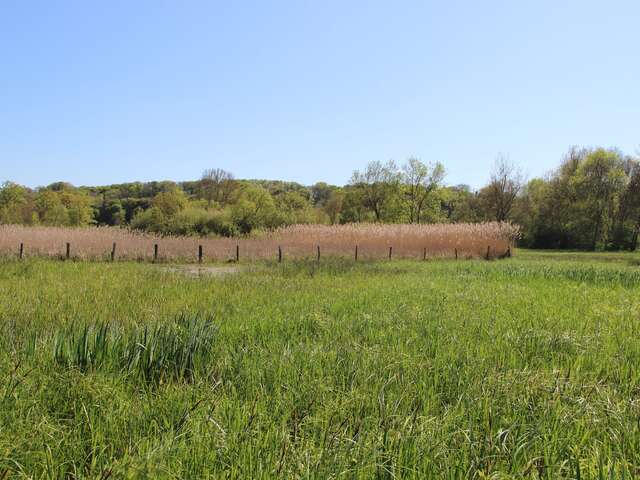
Classified as a Regional Nature Reserve in 2008, the Cré-sur-Loir / La Flèche marshes cover 65 hectares and are the largest area of alluvial marshland in the département. They feature a mosaic of habitats: reedbeds, alluvial woodlands, wet meadows, ponds and canal networks.
The site is home to 150 bird species – including the purple heron, the spotted crake and the red-backed shrike – as well as 300 plant species, including several protected species.

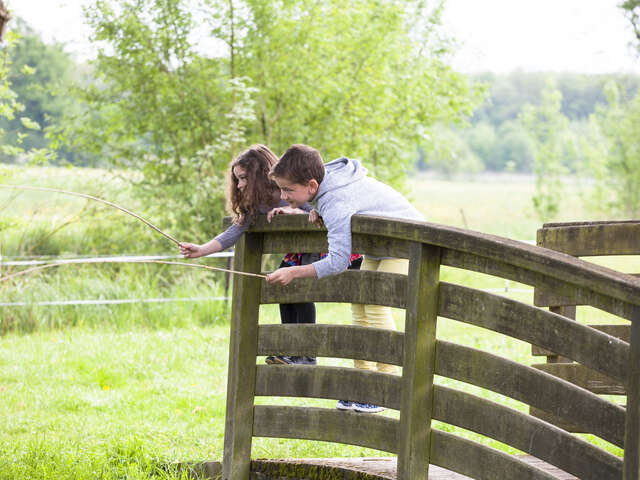
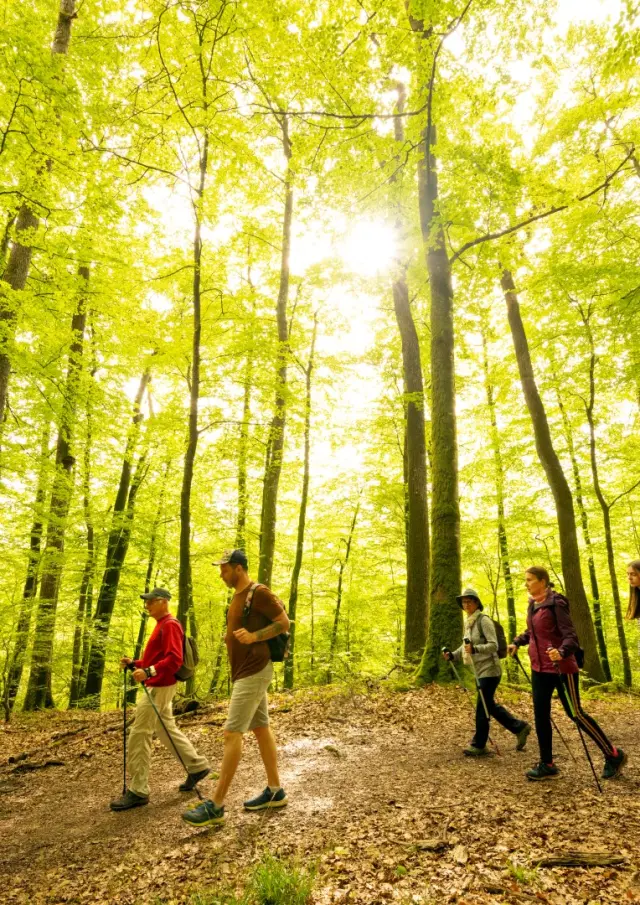
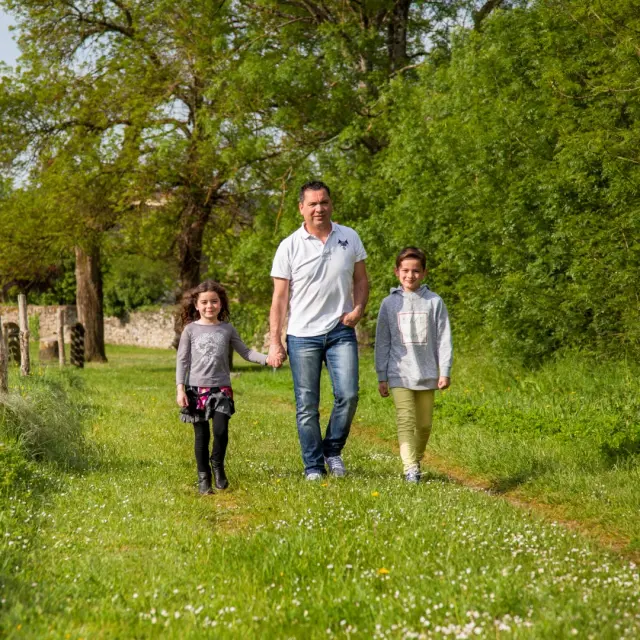
Accessible free of charge all year round, you can observe and discover a wide variety of flora and fauna thanks to the many interactive panels, observation fences and play equipment that line the trails for the enjoyment of young and old alike.

Two discovery trails through the marshes of Cré-sur-Loir / La Flèche, accessible by wheelchair users, invite you to stroll and observe: The grand tour: 3km and the family discovery trail: 1km.
An exceptional natural heritage in the heart of the Loir 

The Cartes and Vésotière Valley

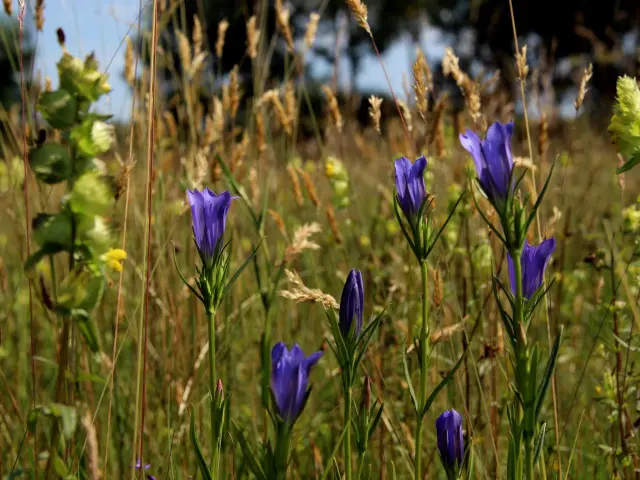
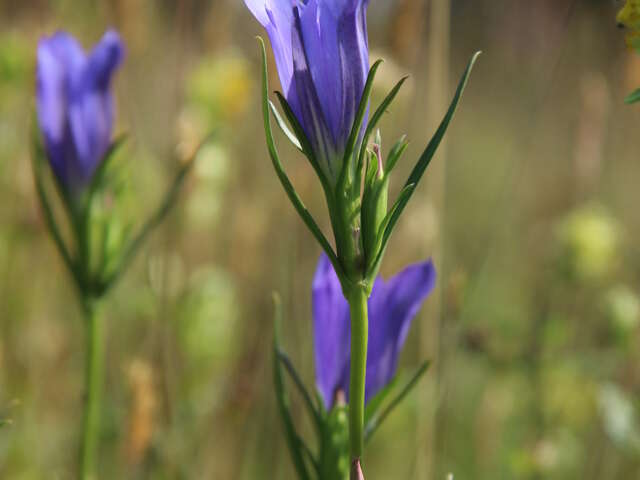
Classified as a sensitive natural area and Natura 2000 site, this 16.5-hectare sector is recognised as one of the Loir Valley’s floral gems. It features peaty meadows, alkaline low marshes and fragmented wetlands that are home to exceptional biodiversity. These meadows include the largest station of Gentian pneumonanthe in the department and
the only viable regional station of the Azuré des mouillères, a protected butterfly.

The Caforts hillside and meadows

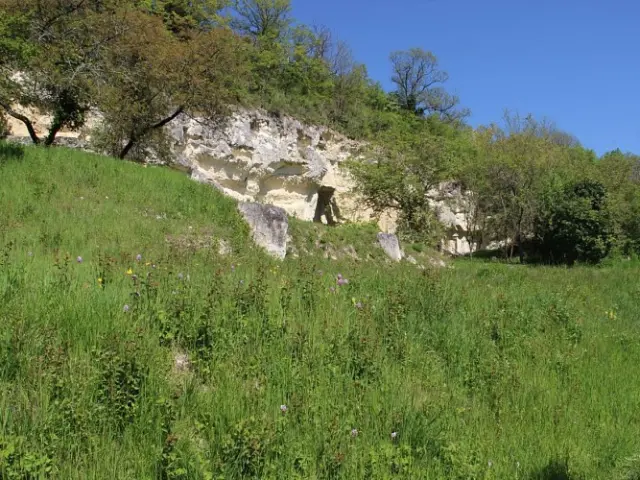
In Luché-Pringé, this unusual 6.35-hectare troglodyte nature reserve combines three unique environments:

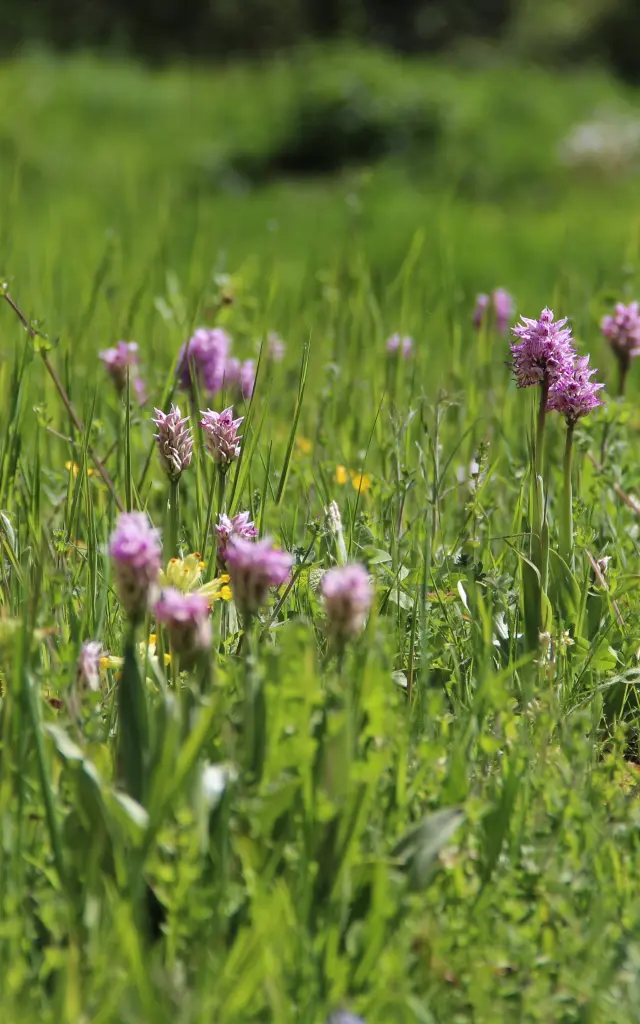
  • A south-facing limestone hillside, rich in orchids and calcicole species (yellow Bugrane, purple-blue Gremil…)
  • A wet meadow fed by a stream flowing into the Loir
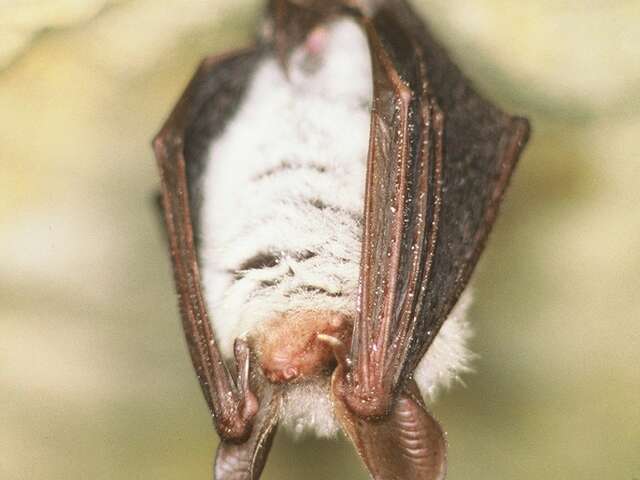
  • A 910 m underground cavity, formerly a quarry and then a mushroom farm, now used as a winter shelter by around fifteen species of protected bats.

The site is also home to rare butterflies, including the wild blue butterfly, as well as reptiles and other sensitive species.

Les Dureaux meadows and reedbeds: a haven of biodiversity 

Located in Vaas, this 25-hectare nature reserve lives to the rhythm of the Loir floods. The changing seasons sculpt a landscape where hedgerows, ditches, ponds, streams, hedgerows, flower meadows and large reedbeds mingle.

Classified as a Regional Nature Reserve in 2029, the site is a major refuge for :

  • Rare birds such as the water rail, the cisticola and the locust.
  • Remarkable butterflies such as the Marsh Copper
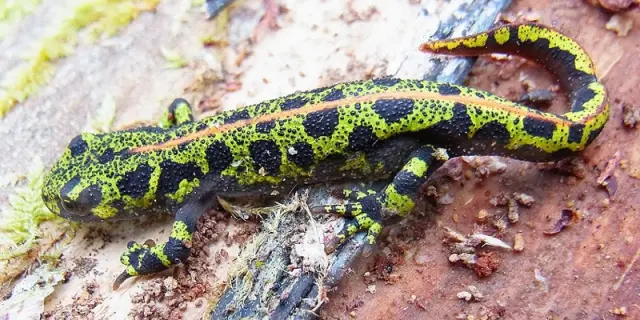
  • Amphibians (agile frogs, green tree frogs, etc.)
    221 plant species, including protected orchids and the Great Fluke

Its management is based on sustainable agriculture, combining late mowing and extensive livestock rearing.