Apothecary├® Stevan Lira8 Large 1Apothecary├® Stevan Lira8 Large 1
©Apothecary├® Stevan Lira8 Large 1|STEVAN_LIRA
Château de Baugé and the apothecary

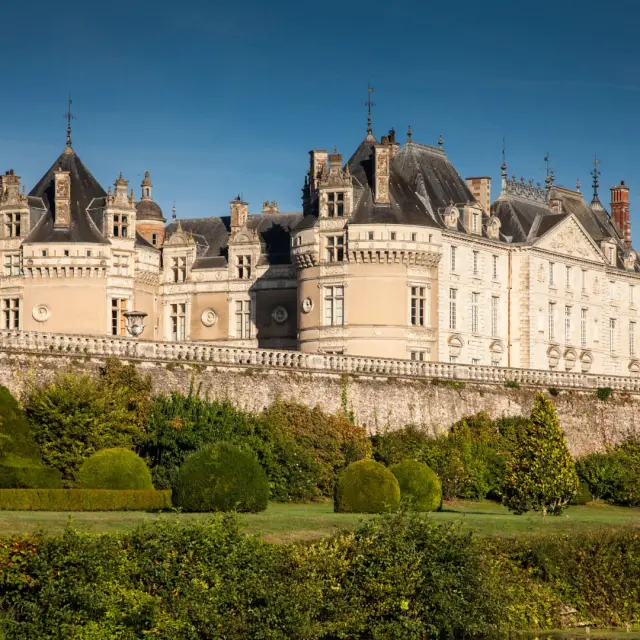
Château de Baugé

Ajouter aux favoris

In the Vallée du Loir, at Baugé-en-Anjou, visit two emblematic sites that are steeped in history: the Château de Baugé, home of the famous King René, and the Apothicairerie de l’Hôtel-Dieu, one of the finest in France.

Baugé Castle 

A 15th-century princely palace, a blend of history, poetry and chivalry

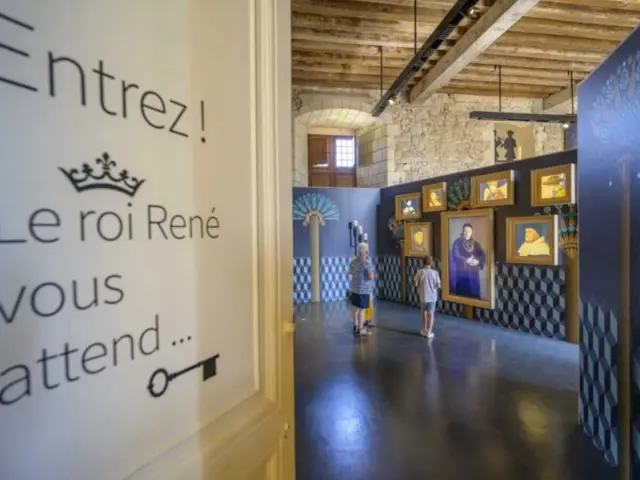
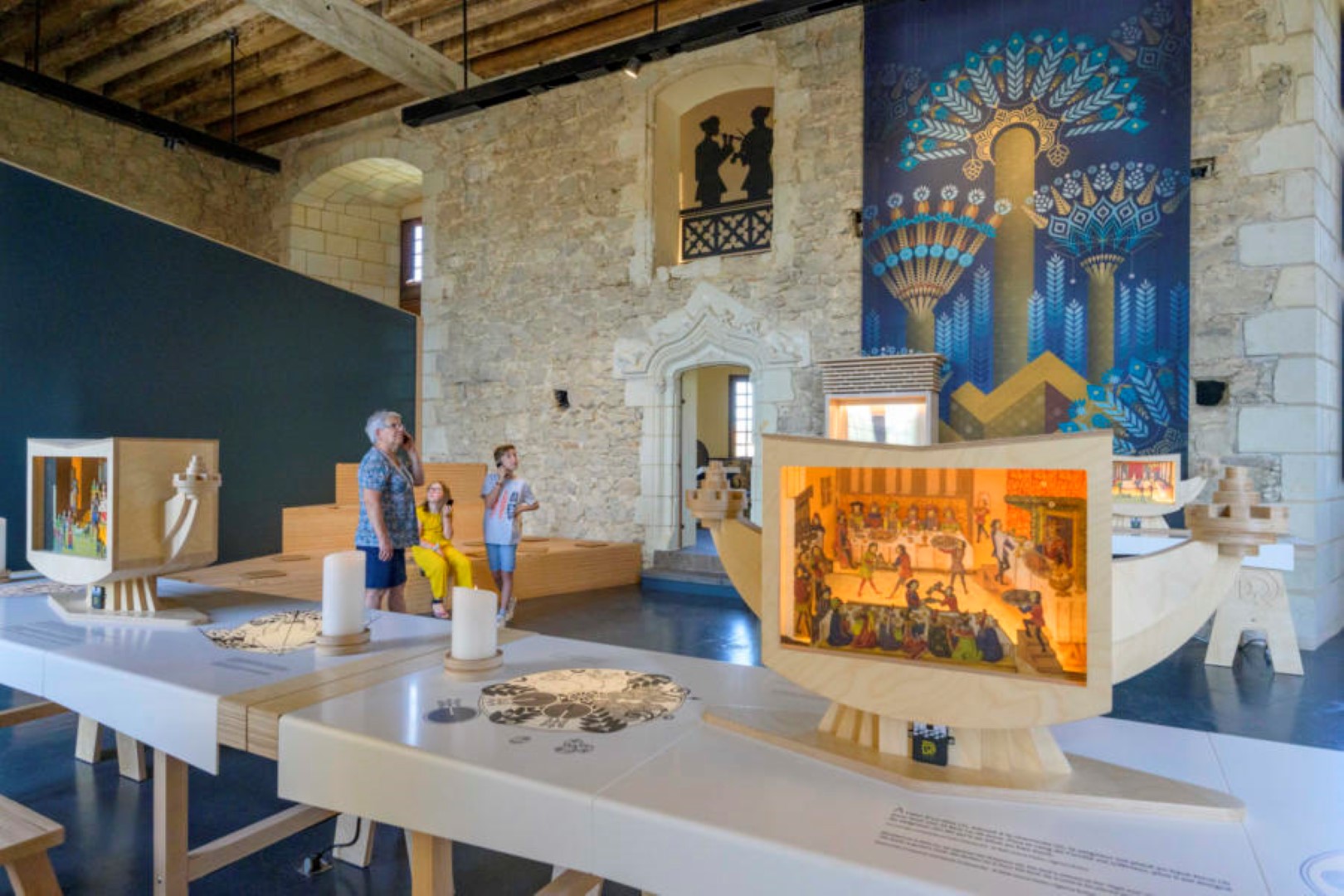
Built for King René, a great lover of hunting and a major figure in medieval Anjou, the Château de Baugé reveals the intimate life of a prince who was a scholar, an artist and a knight. The “Le Palais du Roi René” tour takes you into his world: daily life, banquets, library, and even an amazing forest in the attic. Thanks to this immersive and poetic scenography.

This is a world where art, history and nature meet. Far from clichés, Château de Baugé invites you to explore the senses: imagine yourself invited to a royal banquet, leafing through a manuscript in the princely library… Nothing is set in stone, everything is designed to let you feel the spirit of the place.

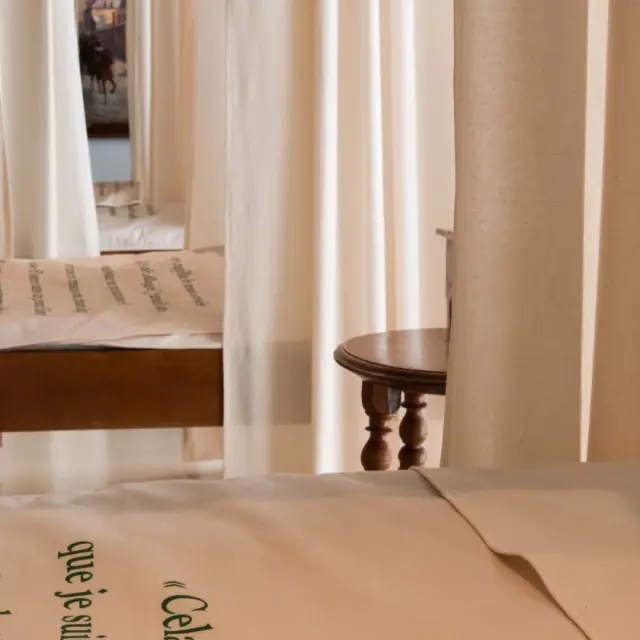
There is a reconstruction of King René’s bedroom, an emblematic room that evokes his intimacy, as well as rooms evocative of his tastes as a scholar and knight-artist. The exhibition also takes visitors through an astonishing forest recreated in the attic, a unique space that evokes the imaginary world of King René and his era.
The Apothecary's in Baugé 

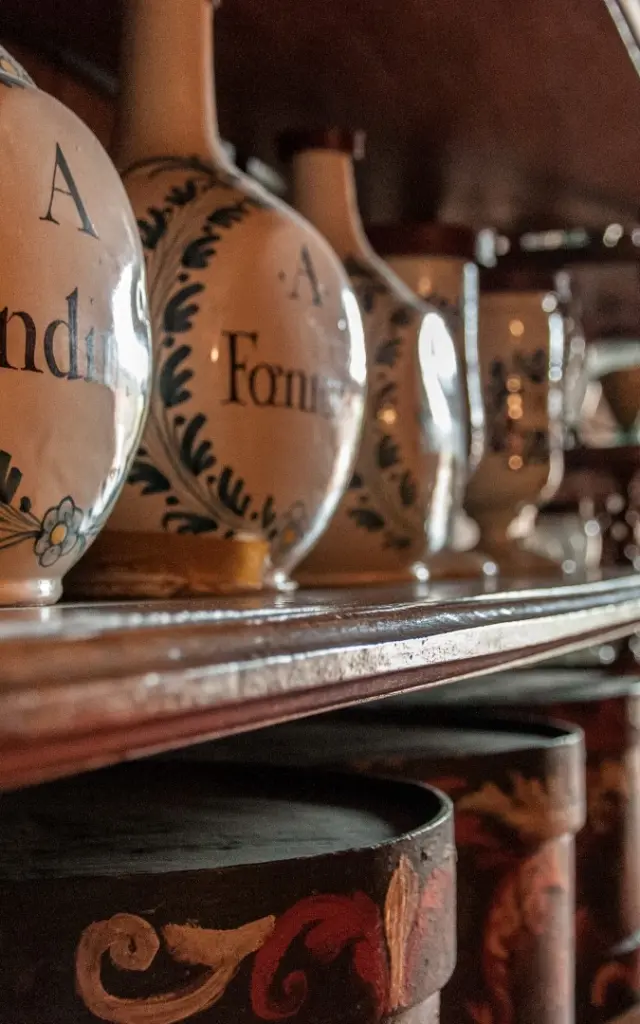
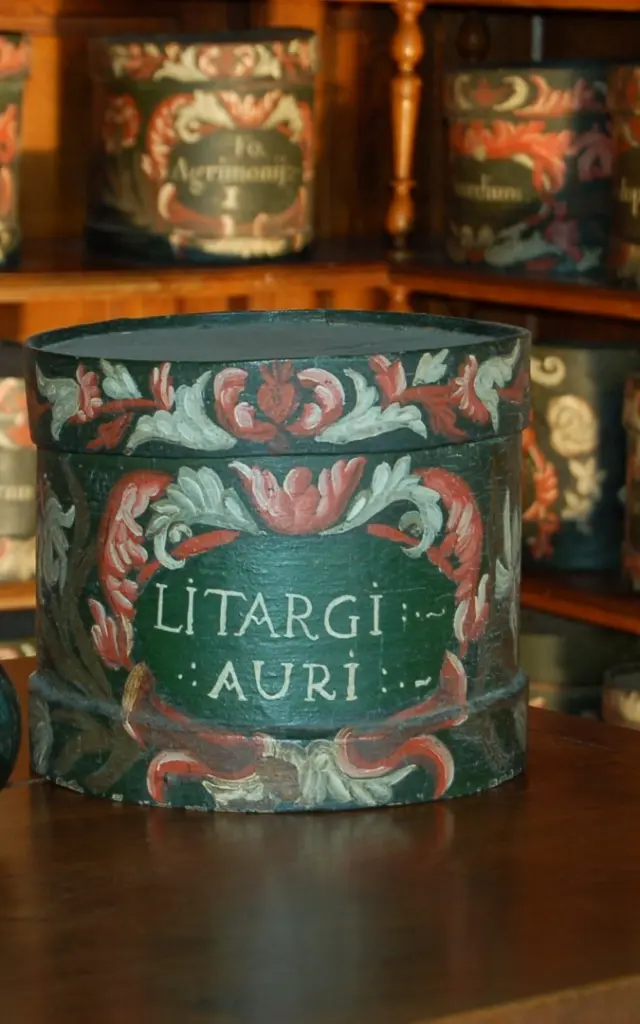
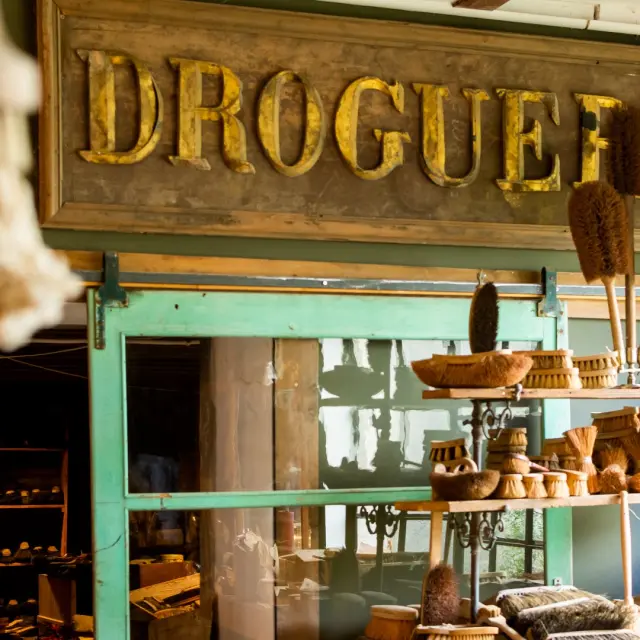
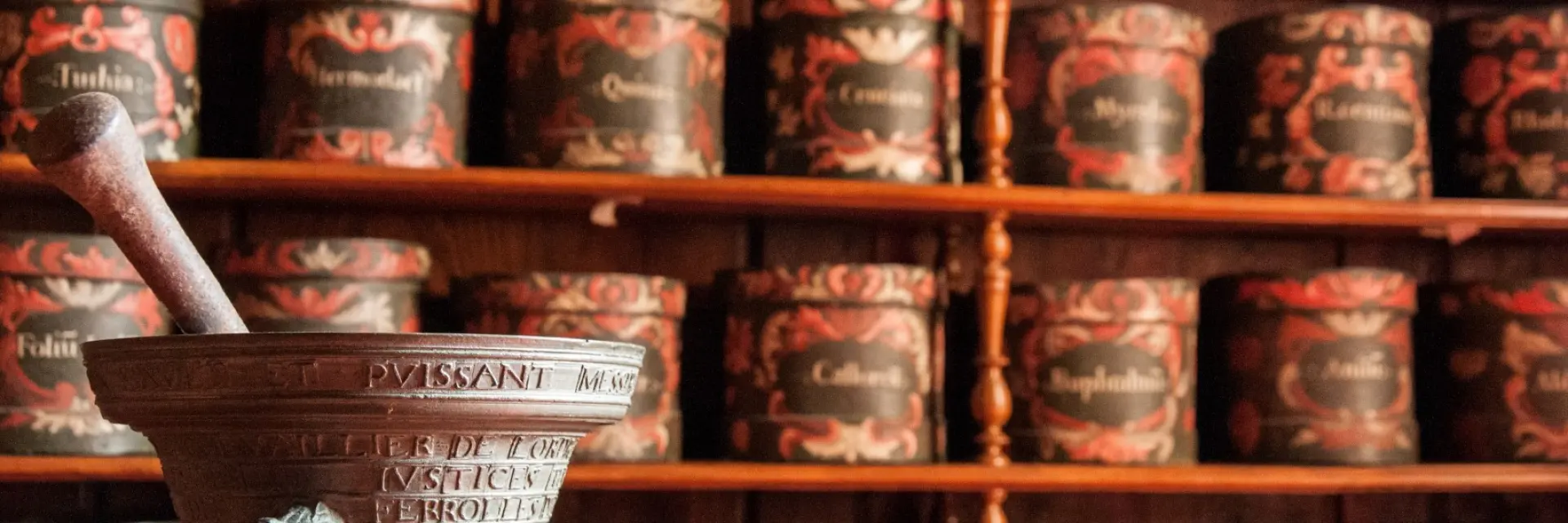
Just a stone’s throw from the château, the Hôtel-Dieu apothecary is one of the oldest and most remarkably well-preserved in France. Listed as a historic monument since 1947, this 17th-century apothecary offers a fascinating journey into the world of medicine and remedies of yesteryear. It operated as part of an active hospital until 2001, making it a place steeped in authenticity.

In its original 1675 décor, the Apothicary’s houses an impressive collection of between 600 and 650 earthenware, glass and ceramic pots, flasks and containers. Here you can discover some of the astonishing substances used in the past: dragon’s blood,
crayfish eyes, woodlouse powder, mummy fingers and many other surprising ingredients that arouse the curiosity, amusement and sometimes the shivers of visitors.

An unforgettable experience 

The tour passes through the large ward, where the exhibition “From caring for the body to caring for the soul” traces the history of the hospital from the time of Louis XIV to the 1960s. Medical instruments, nursing objects and furniture bear witness to the daily lives of the Hospitaller Sisters of Saint Joseph, who looked after the poor and the sick.

The complex also includes a baroque chapel, a refectory, a chapter house and various areas of convent life, all steeped in the memory of these devoted women.

The Jardin des Simples: the plant life of the place
In the cloister, the Simples garden brings together medicinal plants once used to make the remedies preserved in the Apothecary’s shop. A fragrant and colourful walk that complements the visit magnificently by revealing the botanical secrets of ancient medicine.

Reopening of the sites on 8 April 2026